
After weeks of travel in some of the coldest and most exposed conditions that you can imagine and 70 hours total on a Greyhound bus, we are finally home all dry and warm, resting up and still eating mad amounts of food!!
Check out the article in the Pembroke Daily Observer (Pre trip article) Click Here
I would like to say thanks to everyone who tried their best to follow the expedition over the past three weeks. As you already know other then the pre trip logs and being able to check in with the spot emergency beacon locator to find our position twice a day there was no daily updates to read. Unfortunately we had some technical difficulties with the sat phone which was gratefully provided to us and we were unsuccessful in getting any calls or text through to any one. We made our way south east traveling the whole upper basin of lake Winnipeg down to Pine dock covering close to 300km while remaining totally disconnected from any form of civilization and had absolutely no contact with the outside world, no cell or satellite phone connection, no marine band radio connection or weather reports; our mini short wave radio didn’t even pick up the slightest signal until we were more then halfway down the lake. We were totally exposed and at the mercy of just relying on ourselves and the spot locator in the case of an extreme emergency if it kept working.
I will be posting tones of photos and a series of edited and condensed day by day logs (over the next two days) that I made while out on the ice so that you can read and get an idea of what our daily routines were like, what we ate, how we slept, what it was like traveling every day, what challenges we faced, and how we over came them, but first let me give you an overall review so that you have an idea what the expedition was all about.
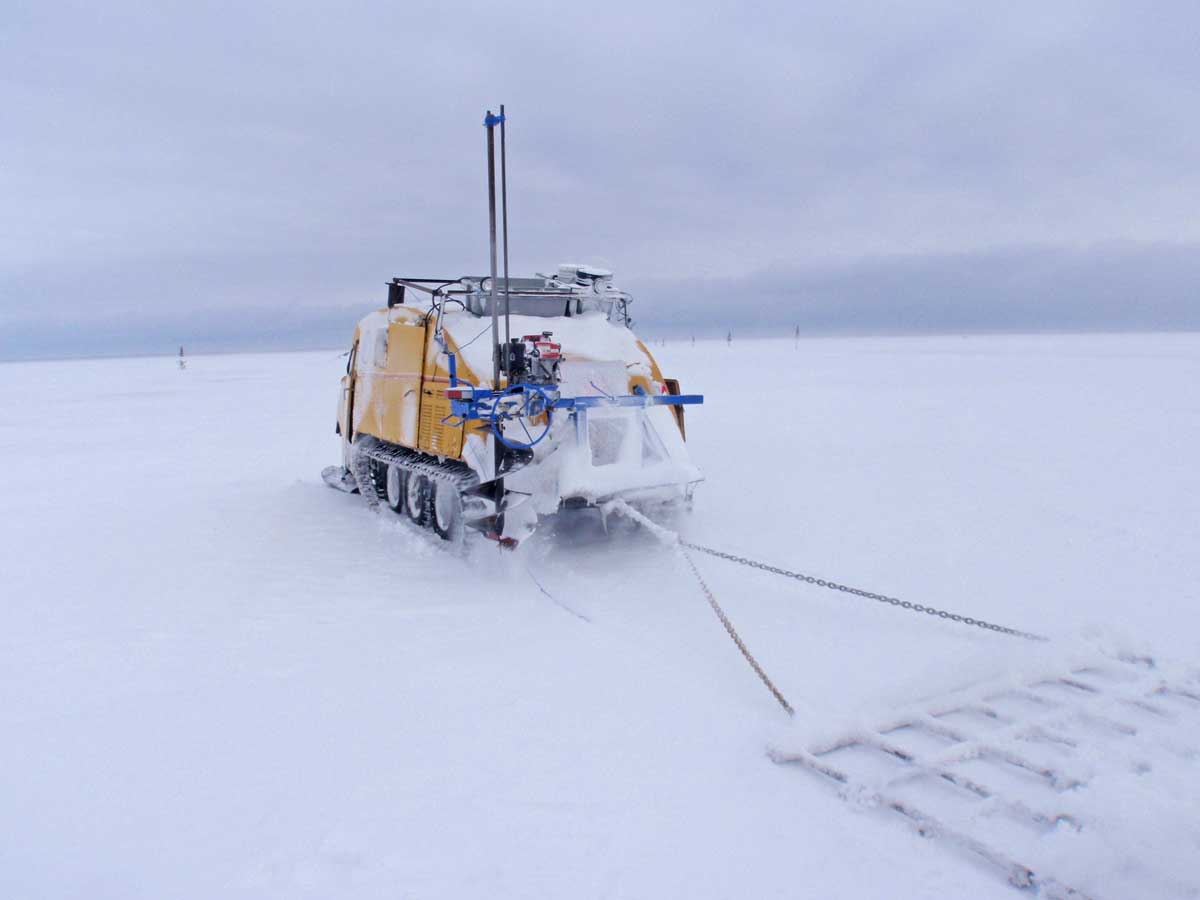
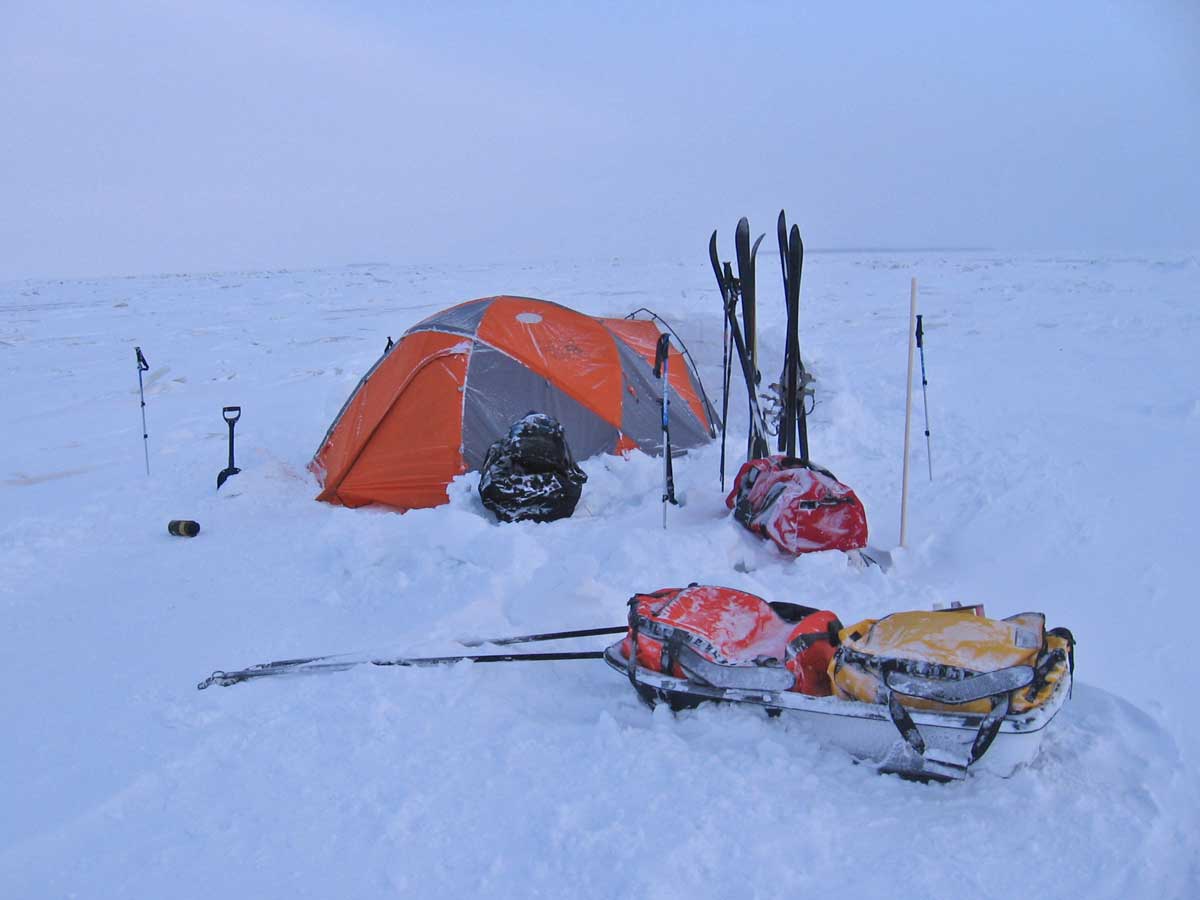
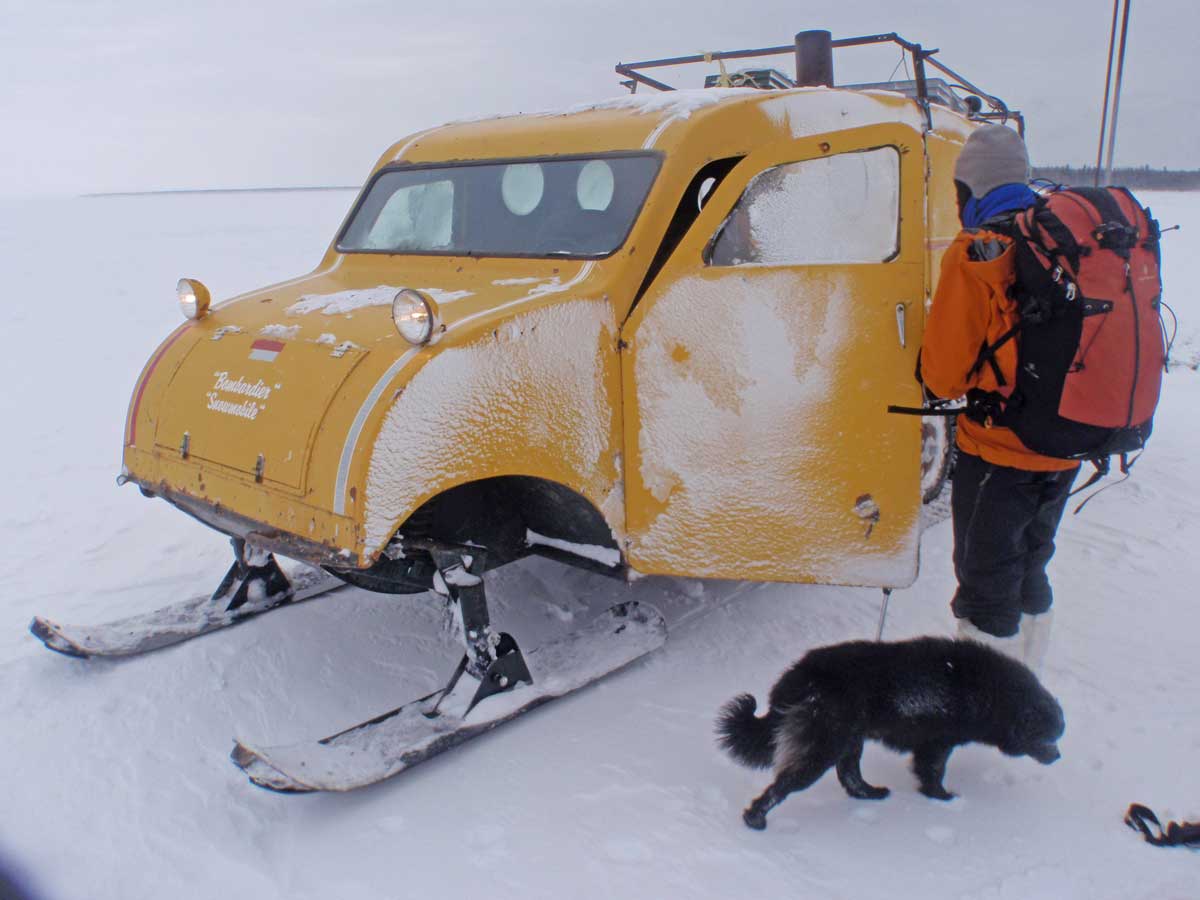
We covered almost 300km by ski and foot, hauling at first three sleds (one each) weighing in at an average of 140lbs and each of us had a 25lb back pack on in which to attach the sled to haul all our supplies. We carried enough rations of food and fuel to sustain us in the worst of conditions for a minimum of 21 days (about 5000+ calories per person per day) but if needed we could stretch them another three or four days in an emergency. We saw no forms of life (aside from one fox and a few crows near the beginning and the end) or human infrastructure for 16 days. We hauled our sleds through miles and miles of broken up ice fields as far as the eye could see, like being stuck in a life sized maze we meandered through and over ice chunks that ranged anywhere from the size of a dinner table to the size of a truck. In areas the ice was piled 15 feet high and there were also some leads of open water caused by the ice splitting open. We got caught in a ten day cold snap that put our daily traveling temperatures in the sub -40 degrees and colder at night and we almost always had a head or tail wind to really put a sting on things. At one point six days of travel had us with no visual reference of land in any direction which made us rely 100% on our compass bearing and we were bang on our desired destination after the six day crossing. We lost three days of travel due to weather; we were tent bound once for 60 hrs straight and once for 36 hours, due to storms the visibility got to less then 50ft and winds gusting up to an estimated high of 100km per hour through the nights. We lost one of our sleds after seven days due to a combination of the frigid -40 deg temperatures, the razor sharp ice fields and the weight of the loads ripped it to pieces rendering it useless. This caused us to have to split another full load between the two remaining sleds. We now we were hauling approx 210lbs per sled over the same terrain for nine hours straight a day and developed a new tactic. Each person spent one hour navigating carrying a backpack then two hours hauling a sled repeating this cycle from sun up to sun down. Also we had an unexpected fourth member to our team which definitely kept things interesting.
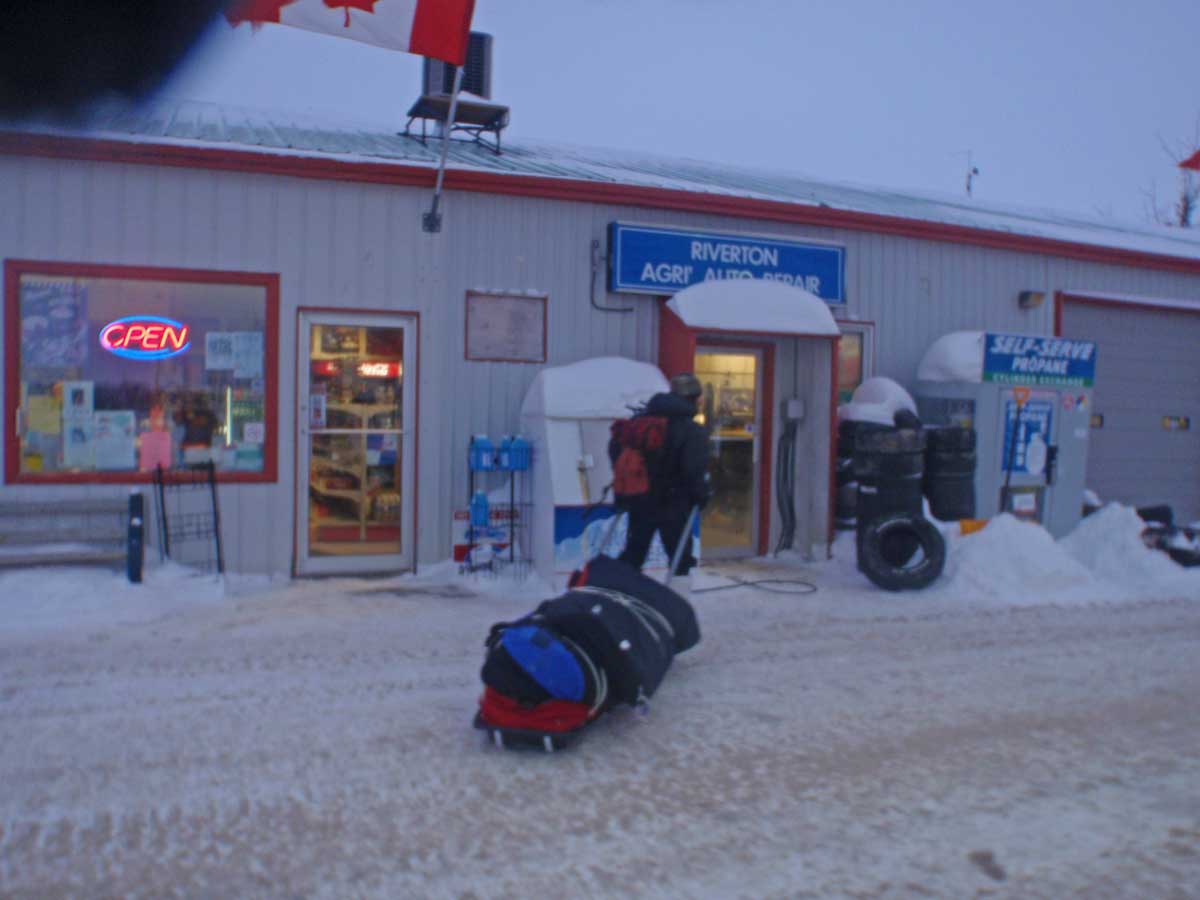
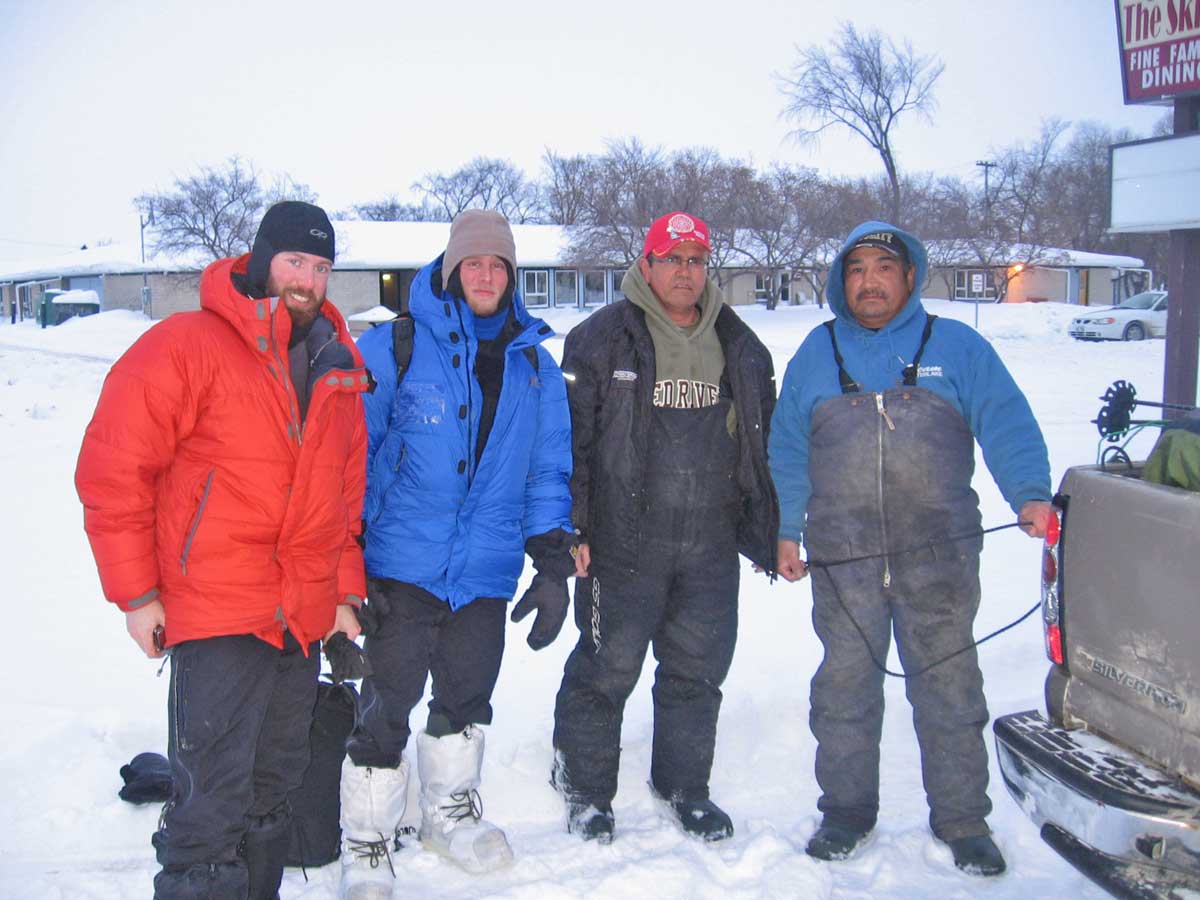
Unfortunately we did not make it all the way down to Matlock, and finished our trip 4 days earlier then originally planned. But you need to role with the punches, re evaluate your situation and projected outcomes every day and do the best you can while keeping safety and perceived success in mind. With three days lost due to severe weather, worse then normal ice conditions due to an early freeze/thaw cycle, one sled gone and another with only hours left in it and the threat of having to haul all our gear in one sled we still needed to get ourselves and our gear down to Winnipeg on schedule. We chose to take out at the only ice road and first place of civilization in an area that is referred to as the narrows near a small native village called Pine Dock.
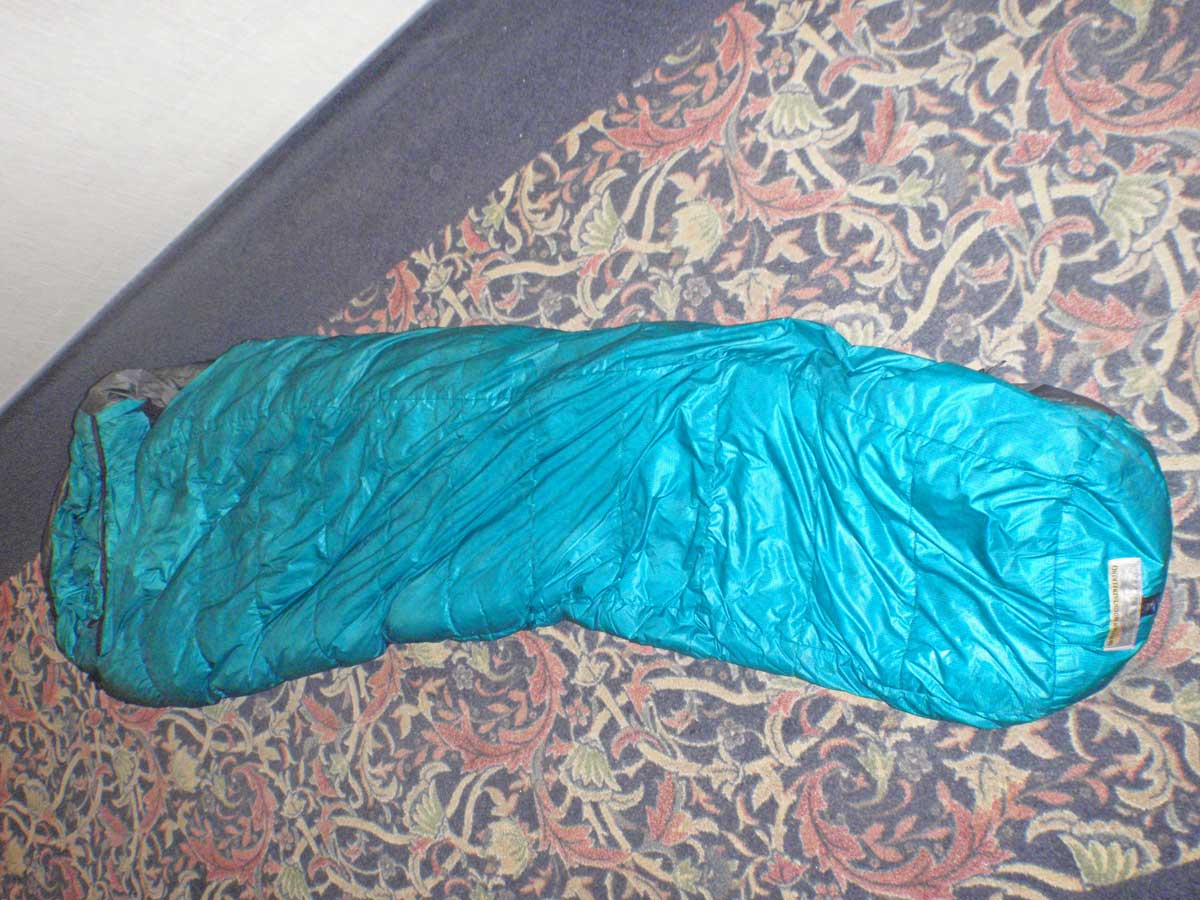
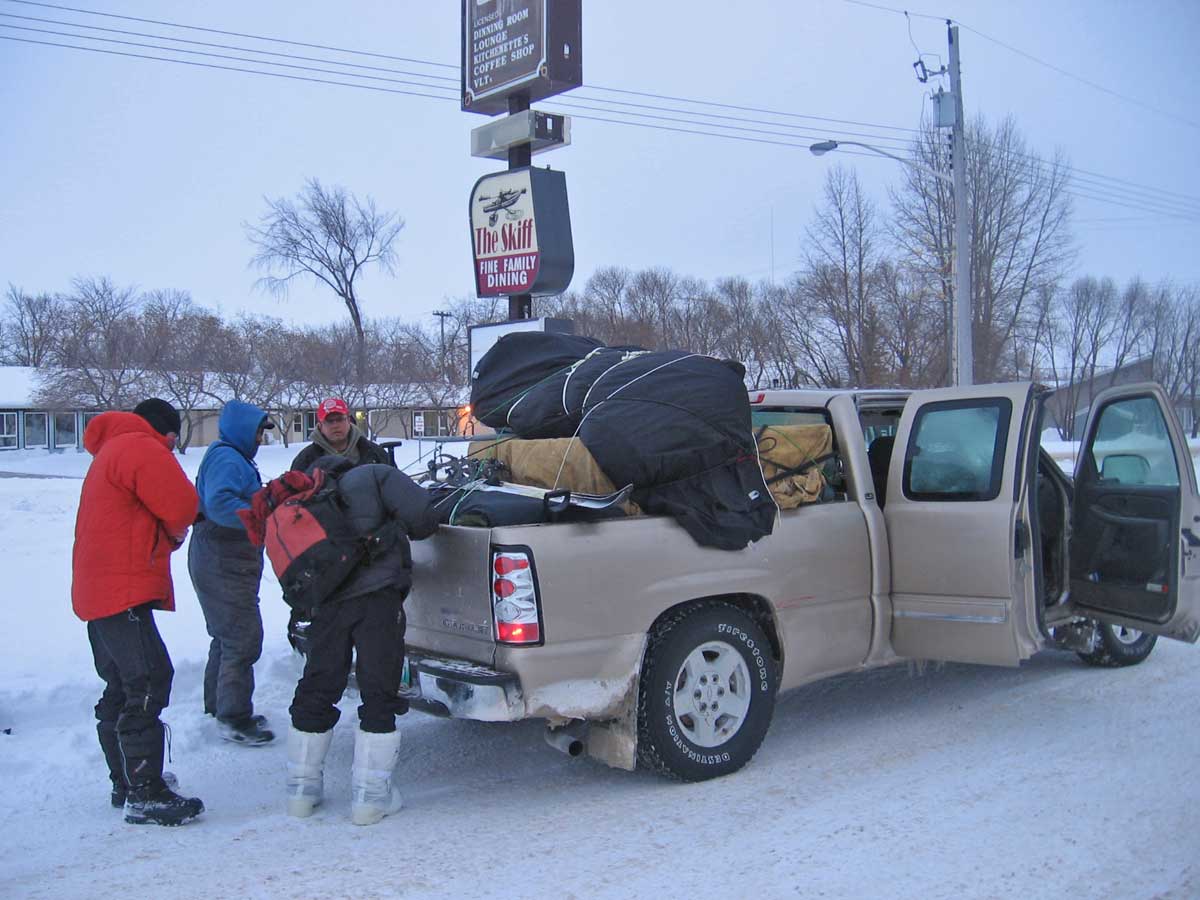
We accomplished all that we had set out for in regards to testing out our sleeping and clothing systems, food and water rations and caloric intake, fuel consumption, navigation, equipment and group dynamics that we needed to iron out for our Greenland crossing in May 2012. So not completing the last few days at this point seemed trivial. It was still quite the adventure getting from our take out in the middle of no where to Winnipeg another 300km away. With in two days after completing the trip we also figured out the mystery of the fourth member of our team!
Take a look at the daily logs and the photo galleries over the next couple days. I will also have a few video clips soon for you to check out. I hope you enjoy and drop a line if you have any questions!!
Ben Shillington